Getting to the airport can affect the cost and stress level of an entire trip. Two common approaches are driving and reserving airport parking, or leaving the car at home and booking a bus or train. Neither option is automatically better: the right choice depends on where you live, your departure time, how much luggage you carry and how many people are travelling.
When airport parking makes sense
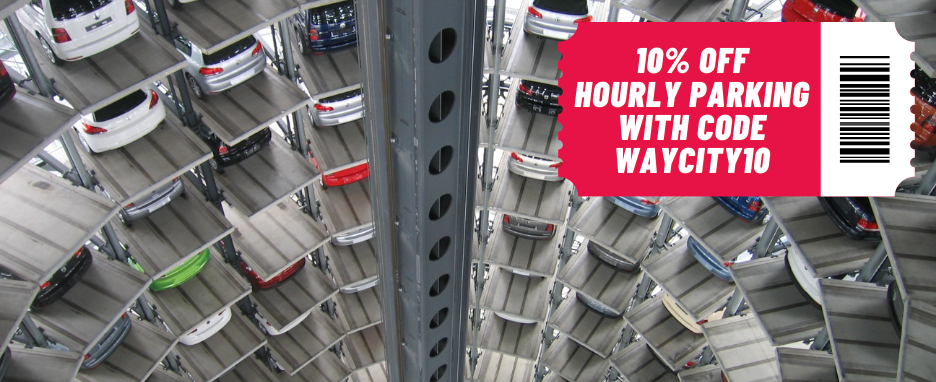
Driving can be especially convenient for families, groups and travellers with several bags. You control the departure time and do not need to coordinate a local connection with a train or bus timetable. A parking marketplace such as Way.com can be useful for comparing parking options before the trip.
The important number is the total trip cost, not simply the advertised daily parking price. Check the full parking period, taxes or fees, transfer arrangements between the parking facility and terminal, cancellation terms and the extra driving time required.
When bus or train travel makes sense
Public transport can be attractive when the airport has good connections and the traveller wants to avoid driving, fuel costs and parking altogether. INFOBUS provides a booking approach that covers bus and train tickets as well as flights, making it relevant when comparing transport for a longer journey.
A bus or train ticket can look cheaper than parking for a long trip, but connections matter. Consider the journey from your home to the station, transfers, luggage rules and how much buffer time you need before check-in. Very early departures or late arrivals can also reduce the number of practical public-transport options.
Compare the complete cost
For a solo traveller, a train or bus fare may be economical because the ticket is purchased for one person. For a family or group, several return tickets can change the calculation, while one vehicle and one parking reservation can serve everyone. Fuel, tolls and airport parking should therefore be compared with the combined cost of every public-transport ticket and local connection.
Flexibility and disruption
Driving provides control over when you leave home, but traffic can introduce uncertainty. Public transport removes the need to drive but introduces timetables, transfers and the possibility of missed connections. Whichever option you choose, build in enough time for disruption and read the provider's current cancellation or change conditions before paying.
Luggage and accessibility
Large suitcases, children's equipment or mobility needs can make a direct car journey more comfortable. Light travellers staying near a well-connected station may find bus or rail much simpler. Check baggage policies and station accessibility rather than assuming every route will handle your luggage equally well.
Way.com or INFOBUS?
These services solve different parts of the same travel decision. Way.com is relevant when you have decided to drive and want to compare parking. INFOBUS is relevant when you want to search bookable bus or train transport instead. Travellers comparing both approaches should start with their exact airport, dates, party size and luggage, then compare the complete door-to-terminal journey.
Bottom line
Choose airport parking when schedule control, group travel or luggage convenience outweigh the cost of keeping a car near the airport. Consider bus or train booking when connections are practical and avoiding a car simplifies the journey. Prices, routes and availability change, so verify current details with the provider before booking.