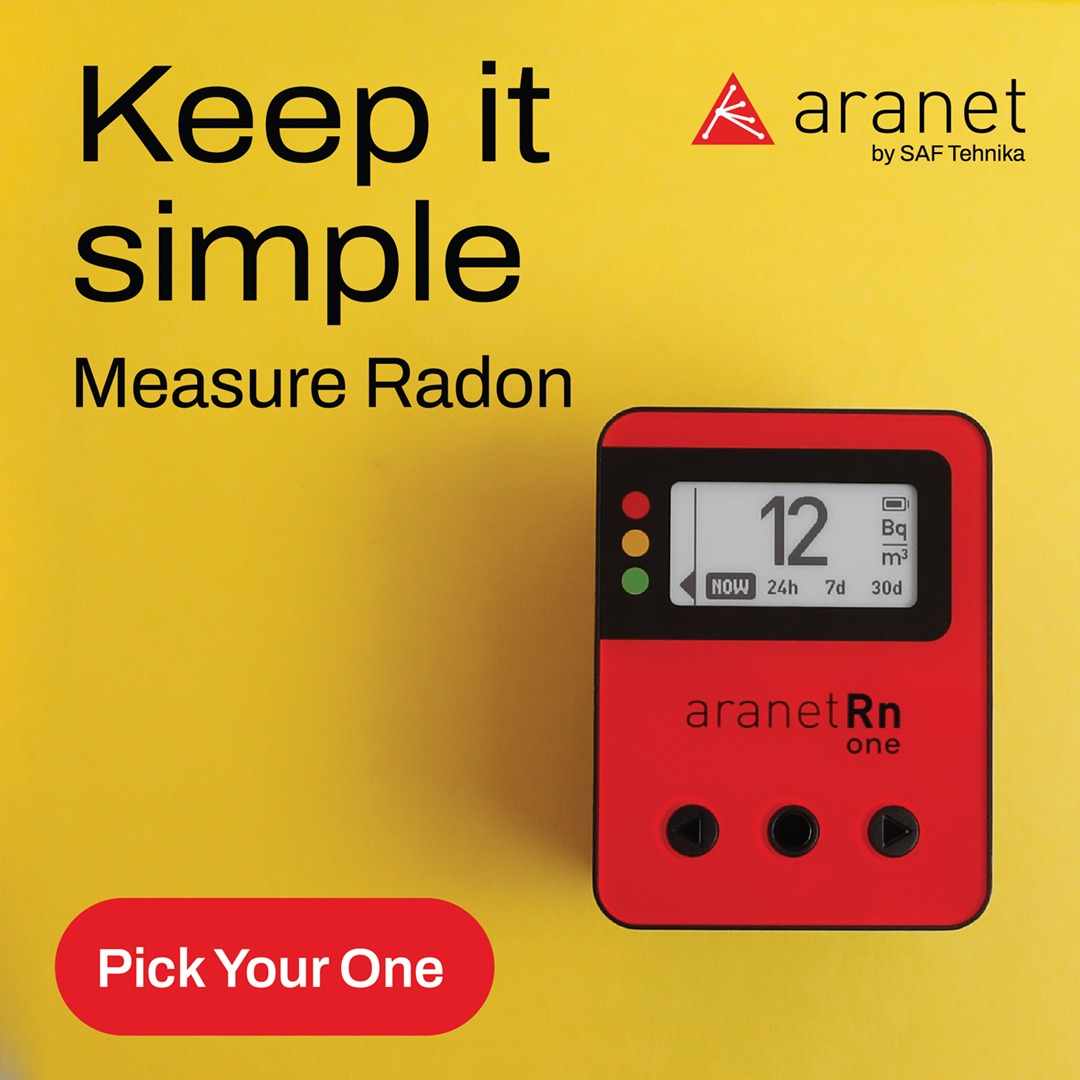
Aranet makes home sensors designed to monitor indoor environmental measurements such as CO2 and radon, depending on the device.
Who is it for?
These products are aimed at consumers interested in indoor-air data, smart-home monitoring and understanding changes in their home environment.
What to compare
Compare which measurements each model supports, sensor accuracy specifications, display and app features, battery requirements and current pricing.
Important note
A consumer sensor provides measurements and trends; it should not be used as a substitute for professional medical, environmental or building advice where that is needed.
Verdict
Aranet is worth considering for data-focused homeowners who want dedicated indoor environmental monitoring and understand what each sensor can and cannot measure.
Check current Aranet consumer products
Related guide
Smart Home & Pet Tools in 2026
Interpreting home sensor data
A sensor is most useful when you understand what it measures and how often readings update. Different Aranet products monitor different environmental factors, so compare the exact model instead of assuming every device measures the same things.
For households, the main decision is whether ongoing data about CO2, radon or other supported measurements is useful enough to justify a dedicated device. Follow current manufacturer guidance for placement, calibration or interpretation where applicable.
Placement and measurement habits
Environmental readings can change with room size, occupancy, ventilation and sensor placement. Follow the current placement instructions for the specific Aranet model so the data is meaningful. Avoid comparing readings from different locations as though they were identical conditions.
The value of a sensor often comes from trends rather than a single number. If you are monitoring CO2, radon or another supported measurement, record how values change with ventilation, occupancy or time. Where a reading suggests a serious building or health concern, use appropriate professional guidance rather than relying on the consumer device alone. The sensor can inform a decision, but it does not diagnose a medical condition.
Choose the measurement before the device
Start with the question you want to answer in your home. Someone concerned with ventilation may prioritize CO2 monitoring, while another household may need a different environmental measurement. Choosing the metric first reduces the chance of buying a sensor with features that do not match the real problem.
Use consistent conditions for trends
When comparing readings over time, keep placement and measurement habits reasonably consistent. Note major changes such as open windows, extra occupants or moving the sensor. Context helps turn a stream of numbers into information that is easier to interpret.