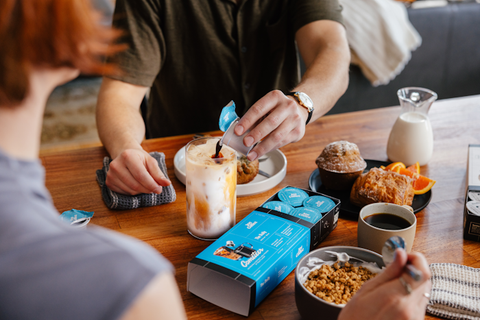
At-home coffee now ranges from whole beans and ground coffee to conventional pods and frozen coffee capsules. The best format depends on how much preparation you enjoy, the equipment you own, storage space and the cost you are comfortable paying per cup.
What frozen coffee changes
Frozen coffee formats aim to move more preparation to the producer. Cometeer, for example, offers specialty coffee in frozen capsules. The format is different from ordinary dry coffee pods, so shoppers should understand preparation and storage before ordering.
Convenience
Whole beans usually require grinding and brewing equipment, while pre-ground coffee removes one step. Standard pod systems emphasize speed but generally require a compatible machine. Frozen capsules offer another workflow, and buyers should check the current preparation instructions and whether additional equipment is needed.
Convenience also includes cleanup, delivery and remembering to maintain enough supply at home.
Storage
Beans and grounds can be stored according to the roaster's recommendations, while frozen products introduce different storage considerations. Check the manufacturer's current handling and storage guidance before purchasing, particularly if freezer space is limited.
Taste and variety
Taste is subjective. Roast profile, origin, processing, brewing method and serving style all influence the cup. Rather than assuming one format is universally better, compare whether the available coffees match the flavours and drink styles you actually enjoy.
Calculate cost per serving
Subscription pricing and multi-pack offers can make headline prices difficult to compare. Divide the total delivered cost by the number of servings you expect to use. For beans or grounds, include realistic coffee dosage; for capsule formats, use the number of drinks each package provides.
Who may prefer each option
People who enjoy adjusting grind size and brewing variables may prefer whole beans. Those prioritizing speed may prefer pods or prepared formats. Frozen capsules may appeal to shoppers who want a different balance of specialty-coffee choice and convenience.
Bottom line
Compare coffee formats by preparation, storage, taste preferences, equipment and delivered cost per serving. Cometeer is one option for shoppers interested in frozen specialty-coffee capsules, while traditional beans, grounds and pods remain valid alternatives for different routines.