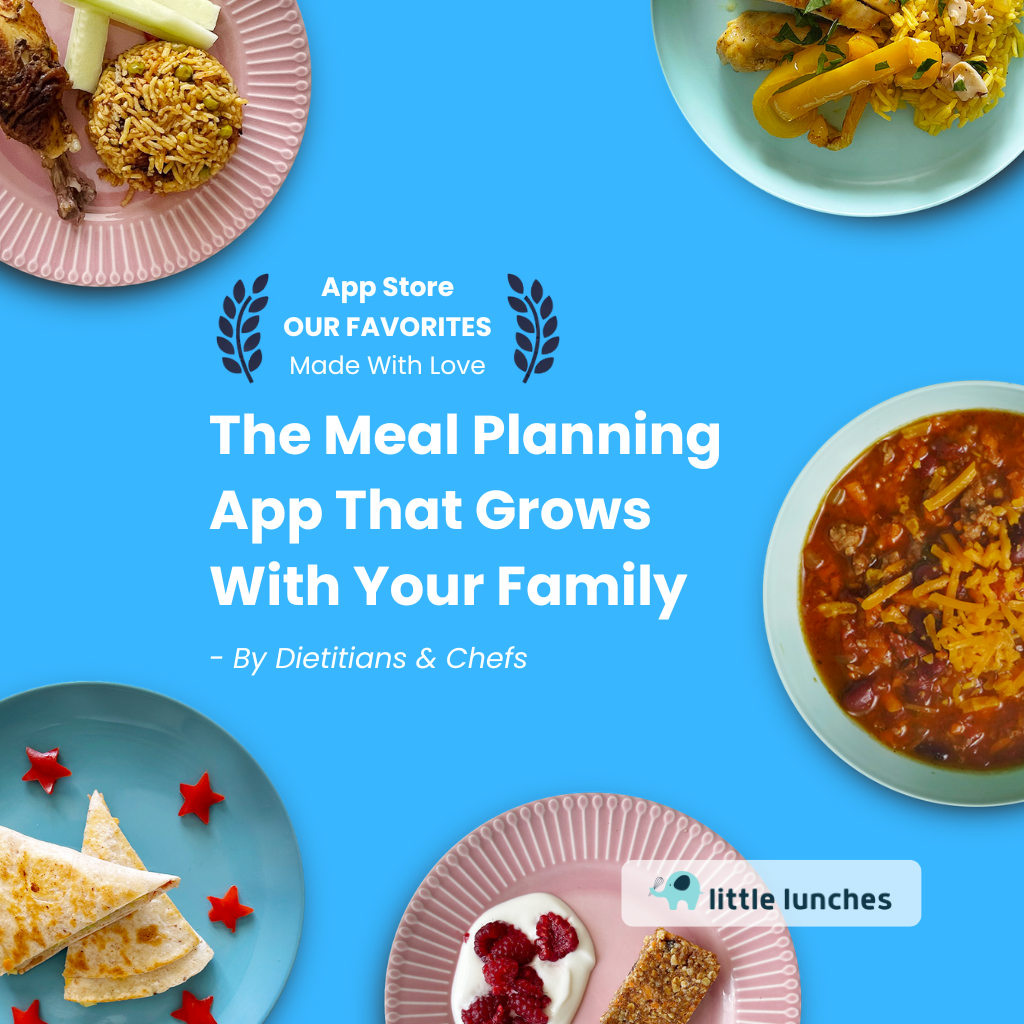
A family meal-planning app is valuable only if it reduces the weekly effort of deciding, shopping and preparing meals. Little Lunches is one option in this category.
What to compare
Look at recipe variety, household preferences, dietary filters, shopping-list workflow, serving adjustments, app support and subscription terms. Families should also consider whether the recipes fit their available cooking time and budget.
Build a realistic routine
Choose a small number of meals first, reuse ingredients where practical and keep backup meals for busy days. The best app is the one your household can consistently use.
Before subscribing
Review current platform availability, trial conditions, renewal pricing and cancellation rules. Features can differ between app versions.
Verdict
Little Lunches is worth evaluating if you want structured family meal planning rather than maintaining your own recipe and shopping system.
Affiliate disclosure: Velinqo may earn a commission from qualifying purchases.
Meal-planning app checklist
| Feature | Why it matters | | --- | --- | | Family profiles | Helps match meals to household preferences and needs | | Grocery lists | Reduces repeated planning and forgotten ingredients | | Recipe variety | Makes the service easier to use over time | | Preparation time | Important for busy households | | Dietary filters | Useful when preferences or restrictions matter |
Planning vs execution
A meal-planning app can reduce decision fatigue, but it does not remove the practical work of shopping, preparation and adapting recipes to your household. Choose a service that fits the amount of cooking you realistically want to do.
Cost and value
Compare subscription cost with how often you will use the plans and lists. A service that prevents unused groceries or repeated takeout may offer value for one household while being unnecessary for another.
Read our Little Lunches review for more detail.
Build a one-week test
Before committing to a longer subscription, use one week to see whether the suggested meals fit your household. Track how many recipes were actually cooked, whether the grocery list reduced duplicate purchases, and how much manual editing was needed. A useful service should reduce planning friction rather than create another weekly task.
Keep dietary checks separate
Filters can help organize preferences, but ingredient labels and recipe details still need review. Households managing allergies, intolerances or medical diets should verify each recipe independently and use professional guidance where appropriate.